
Egypt Travelling Guides · Safety
Safety and Wellness Guidelines
Maintaining health and ensuring personal security are the top priorities for any explorer. While the region is generally welcoming, the combination of a foreign environment and a harsh climate requires proactive management. These egypt travelling guides offer practical advice on staying well and moving through public spaces with confidence.
01 — Environmental Health
Heat, Sun, and Daily Rhythm
Heat exhaustion is the most common health challenge faced by a traveller into Egypt. Symptoms can include dizziness, headaches, and fatigue. The dry air can fool you into not noticing how much fluid you are losing, so the sensation of thirst is a late signal, not an early one.
To mitigate this, avoid strenuous activity during the midday sun. Plan walking routes, market wandering, and uphill climbs for the early morning or late afternoon. Ensure you are replacing electrolytes, not just water, if you are sweating heavily. A small pouch of oral rehydration salts in your day bag is one of the cheapest, most useful items you can carry.
Dawn
Comfortable air and soft light. The clearest window for walking, markets, and outdoor exploration.
Midday
Sun at peak intensity. Rest indoors, hydrate, and eat lightly. Save the shade for short errands only.
Late Afternoon
The second usable window. The air cools gradually and stone walls radiate the stored warmth of the day.
What to carry each day
- Water bottle, refilled with sealed or filtered source only
- Oral rehydration salts or electrolyte strips
- Wide-brim hat with chin cord for wind
- UV-protective sunglasses and a light long-sleeve shirt
- Sunscreen, reapplied every two hours of exposure
- A small scarf for sun on the neck and shoulders
02 — Food and Water Safety
What Goes In, What Stays Out
It is strongly recommended to consume only bottled or purified water and to avoid ice in drinks when in smaller towns. Sealed bottles are reliable; tap water is fine for washing hands and rinsing fruit, but not for drinking. Hot beverages made with boiled water are generally safe.
When choosing where to eat, look for places with a high turnover of local customers, as this usually indicates fresh ingredients and a kitchen that turns over stock quickly. Peeling fruit and ensuring vegetables are cooked can also prevent digestive upset. A street stall with a queue of families is often a safer bet than an empty dining room.
Begin the day with bottled water before coffee. Carry a small refill for the afternoon. Avoid salads and raw garnishes in rural areas unless you can confirm the wash source. If a dish arrives lukewarm when it should be hot, send it back — this is a reasonable request anywhere.
Practical choices at the table
- + Sealed bottled water and sealed soft drinks
- + Hot meals served steaming, freshly cooked to order
- + Fruit you peel yourself: bananas, oranges, mangoes
- + Bread and dry pastries from busy bakeries
- — Ice in drinks outside major city centres
- — Raw salads and unpeeled fruit in rural areas
- — Reheated rice or dishes held at room temperature
- — Tap water for drinking or brushing teeth in smaller towns
03 — Moving Through
Public Transport and Crowds
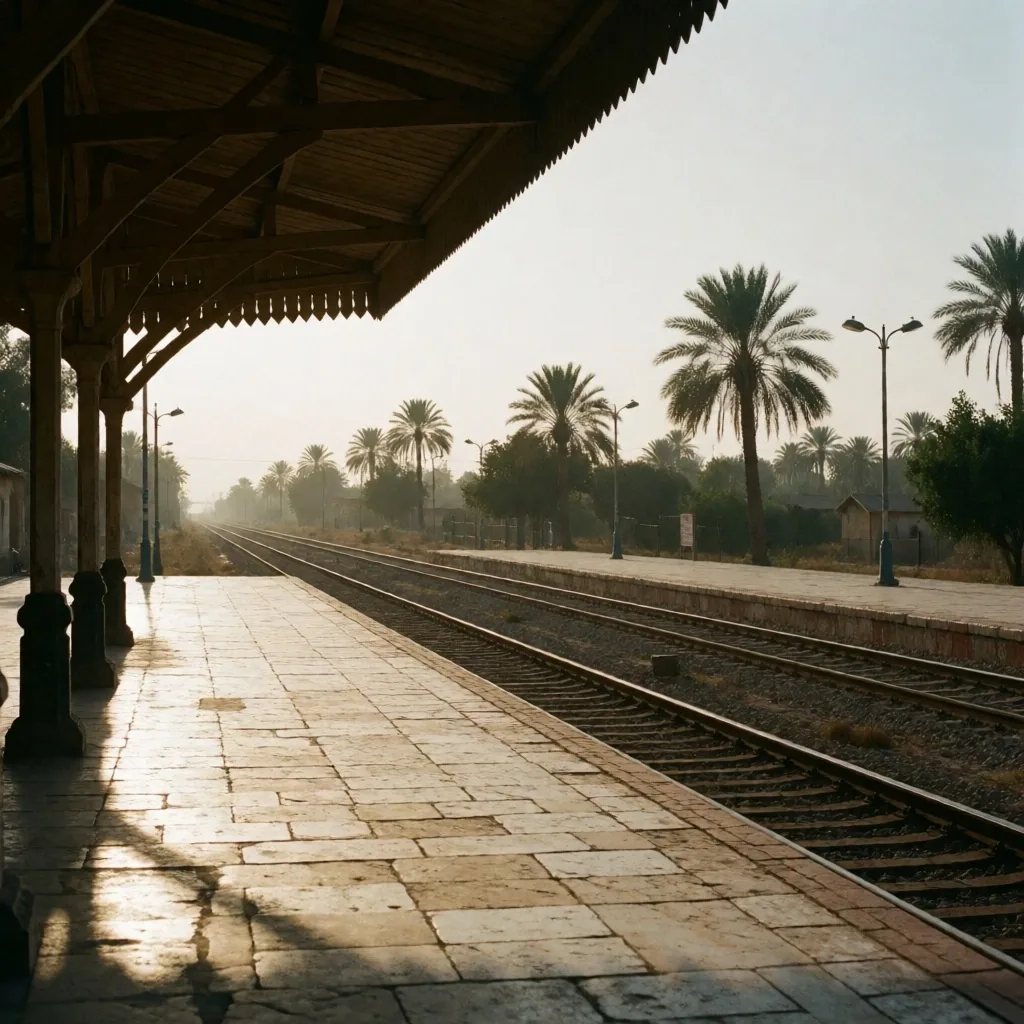
Public buses and trains are the lifeblood of the country's movement and are generally safe to use. They can be crowded and may not always adhere to a strict schedule. Keeping your belongings in front of you and being aware of your surroundings in crowded stations is a standard precaution that costs nothing and prevents most problems.
Carry
Keep your day pack on your lap or between your feet, not in the overhead rack where you cannot see it.
Watch
If someone presses close in a crowd, move first and ask questions never. Your space is yours to keep.
Time
Schedules are suggestions, not guarantees. Carry water and allow an extra hour for any connection that matters.
Discreet
Keep your phone tucked when not in use and avoid loud conversations about where you are staying next.
04 — Solo Exploration
Walking Alone, Staying Aware
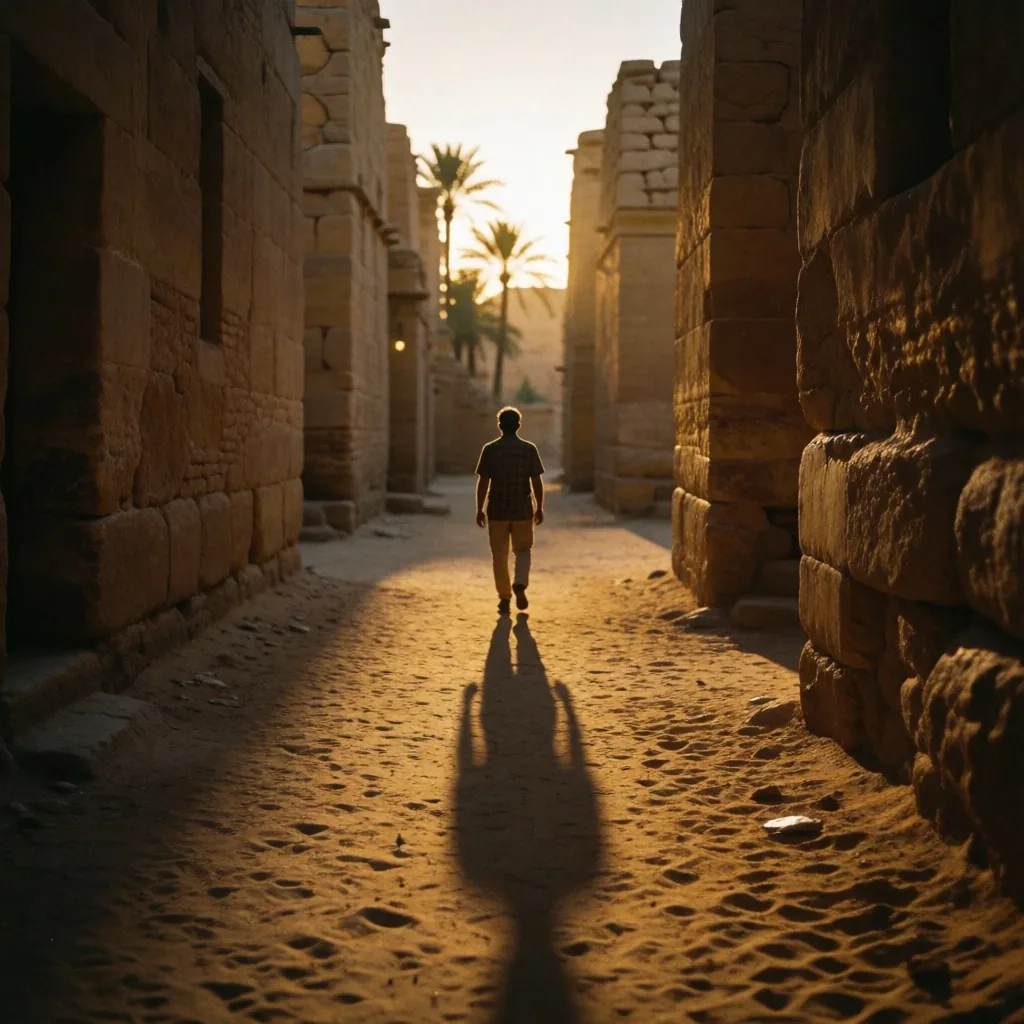
Moving through the country as a solo traveller into Egypt is entirely possible and often very rewarding. The country has a strong culture of hospitality toward individual guests, and you will receive more conversation and more help than you expect.
Maintaining a confident posture and having a clear idea of your route before leaving your accommodation helps in minimizing unwanted attention. If you are unsure of the way, step into a cafe or shop and ask the staff rather than wandering with your phone out on the street.
Trusting your instincts and staying in well-lit areas after dark are universal safety rules. If a street feels wrong, turn back. There is no cost to caution and no shame in changing your mind.
05 — Emergency Contacts
Numbers to Keep Close
Before heading out, familiarize yourself with the local emergency numbers for medical assistance and police. Know the location of your national embassy or consulate. Keeping these numbers stored in your phone and on a physical card ensures you can get help quickly if needed, even when your battery does not.
Store these before you need them
- › Local ambulance and medical emergency service number
- › Police assistance line for the district you are staying in
- › Address and phone of your national embassy or consulate
- › Your accommodation's front desk and a reliable local contact
- › Travel insurance policy number and assistance hotline
Write them on a card you keep separate from your phone. A dead battery at the wrong moment is a small problem that becomes large without a backup.
06 — Desert Navigation
Going Beyond the Trails
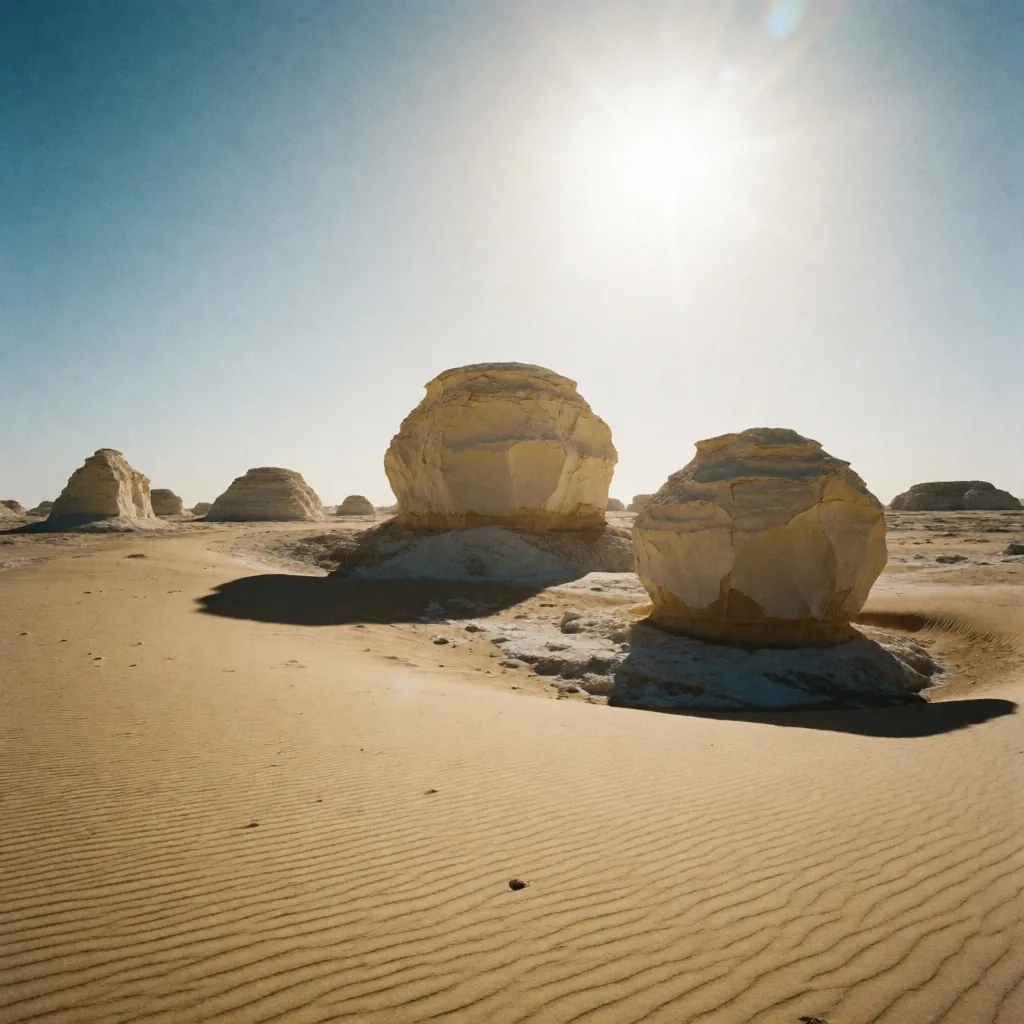
If your plans involve moving into the deep desert or away from established trails, always go with a local guide. The terrain can be deceptive, and GPS signals can be unreliable in remote canyons.
Informing someone of your expected return time is a basic but essential safety step. Leave the message in writing — a text, a note at your accommodation, or a message with your guide's office — so that someone knows to look for you if you are late.
Carry more water than the trip should require. A walking pace that feels easy in the first hour will feel different after three. Shade is rare and the sun does not negotiate.
07 — In Public Spaces
Overcharge, Misdirection, and What You Carry
On Overcharging and Misdirection
Like any major global destination, you may encounter individuals attempting to overcharge for simple services or misdirect you toward specific shops. This is a fact of travel, not a reflection of the place.
Staying polite but firm and doing your own research on typical costs will help you navigate these situations. A calm "no, thank you" repeated as needed costs nothing. Knowledge is the best defense against common travel frustrations.
Ask your accommodation for the standard range for taxis, meals, and guided walks. When you know the local figure, an inflated quote is easy to decline with a smile.
On Your Belongings
Use a secure bag and avoid displaying expensive electronics or large amounts of cash in public. Most accommodations provide safes for your valuables; utilizing them allows you to explore with a lighter mind.
Being discreet about your resources is a mark of a seasoned explorer. A zippered cross-body bag worn in front in crowds, a phone kept inside the pocket until you need it, and cash split between two locations are small habits that prevent most losses.
Carry only what the day requires. The rest stays in the safe, and the day feels lighter for it.
In Transit
Split cash and cards between your bag and a locked case at your accommodation.
At Markets
Hand the seller the exact notes. Count change before pocketing it.
After Dark
Walk the streets you know. Save exploration of new areas for daylight hours.
In Your Phone
Screenshot maps and addresses so directions work without a data signal.
Continue Reading