
Egyptian Shores & Sands — Resource Library
Common Questions for Travellers
Navigating a new country often brings up practical questions that aren't always covered in a standard brochure. This section addresses the most frequent inquiries from those planning to be a traveller into Egypt — clear, actionable information to help you prepare for the unique rhythm of local life.
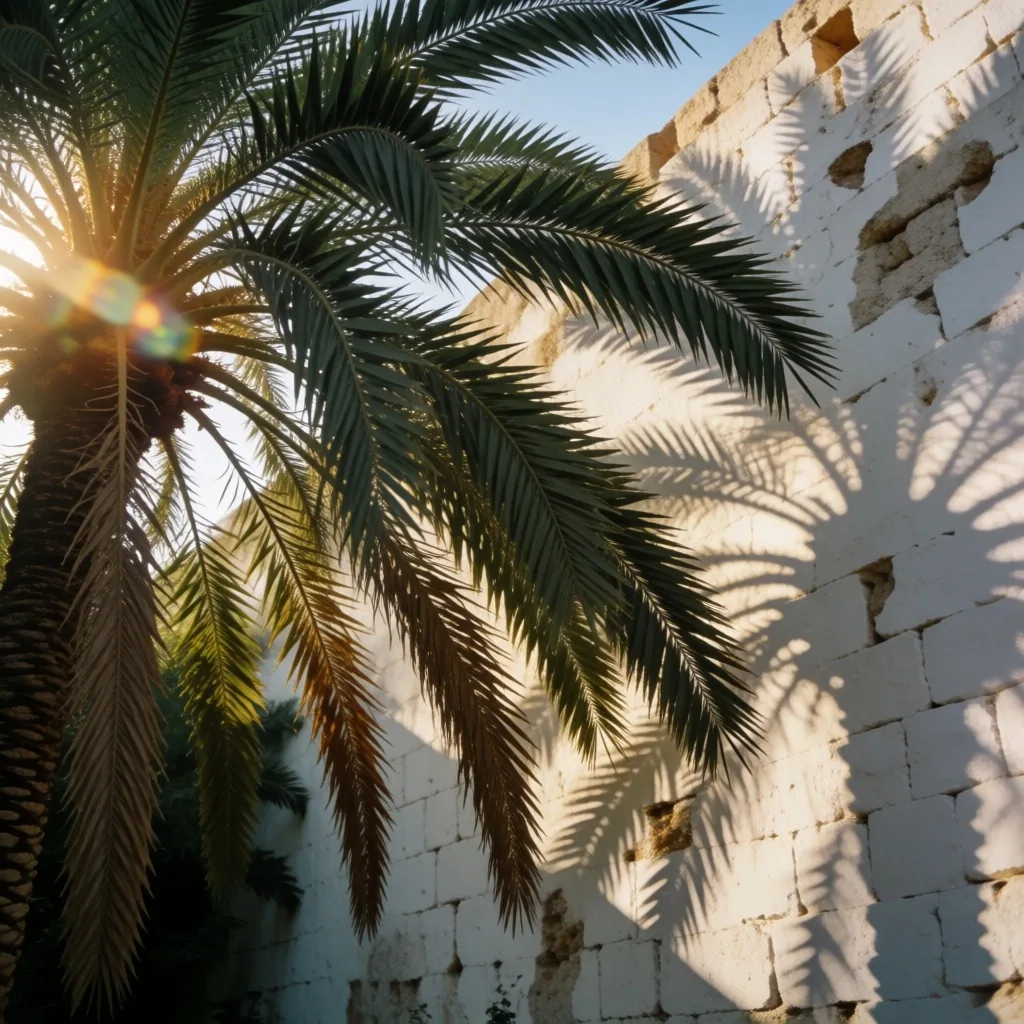
01 — Entry & Documentation
What are the primary requirements for entering the country?
Most visitors require a valid passport with at least six months of validity remaining. Depending on your nationality, you may need to obtain an entry permit in advance or upon arrival at the airport.
Regulations can change without notice, so checking with your local consulate before departure is the most reliable approach. Keep both digital and printed copies of your travel documents in separate bags, and note that some permits require a blank page in your passport for the arrival stamp.
02 — Climate & Timing
When is the best time to experience the desert regions?
The months between November and February offer the most pleasant daytime temperatures for desert exploration. If you are planning to spend time along the coast, the shoulder seasons of spring and autumn provide a balance of warm water and manageable air temperatures.
Summer is extremely hot and is best suited for those who are well-acclimated to the sun. If you do travel during summer, plan outdoor activity for the early morning hours and keep the midday period indoors.
03 — Connectivity & Communication
Will I have access to the internet while moving between regions?
Major cities and coastal hubs have excellent mobile data coverage and widespread Wi-Fi in public spaces. However, in the deep desert or remote mountain areas of the Sinai, signals can be non-existent.
Purchasing a local SIM card is the most cost-effective way to stay connected during your journey. Bring an unlocked phone and keep offline copies of important maps and addresses for the stretches where coverage drops.
04 — Money & Costs
Can I rely on credit cards for my daily needs?
While larger establishments in urban centers accept major cards, the vast majority of daily life — transport, markets, and small cafes — runs on cash. It is essential for a traveller into Egypt to carry a sufficient amount of local currency.
ATMs are widely available in cities but can be rare in rural villages. Withdraw enough for several days before heading into remote areas, and keep smaller denominations on hand for market stalls and local transport.
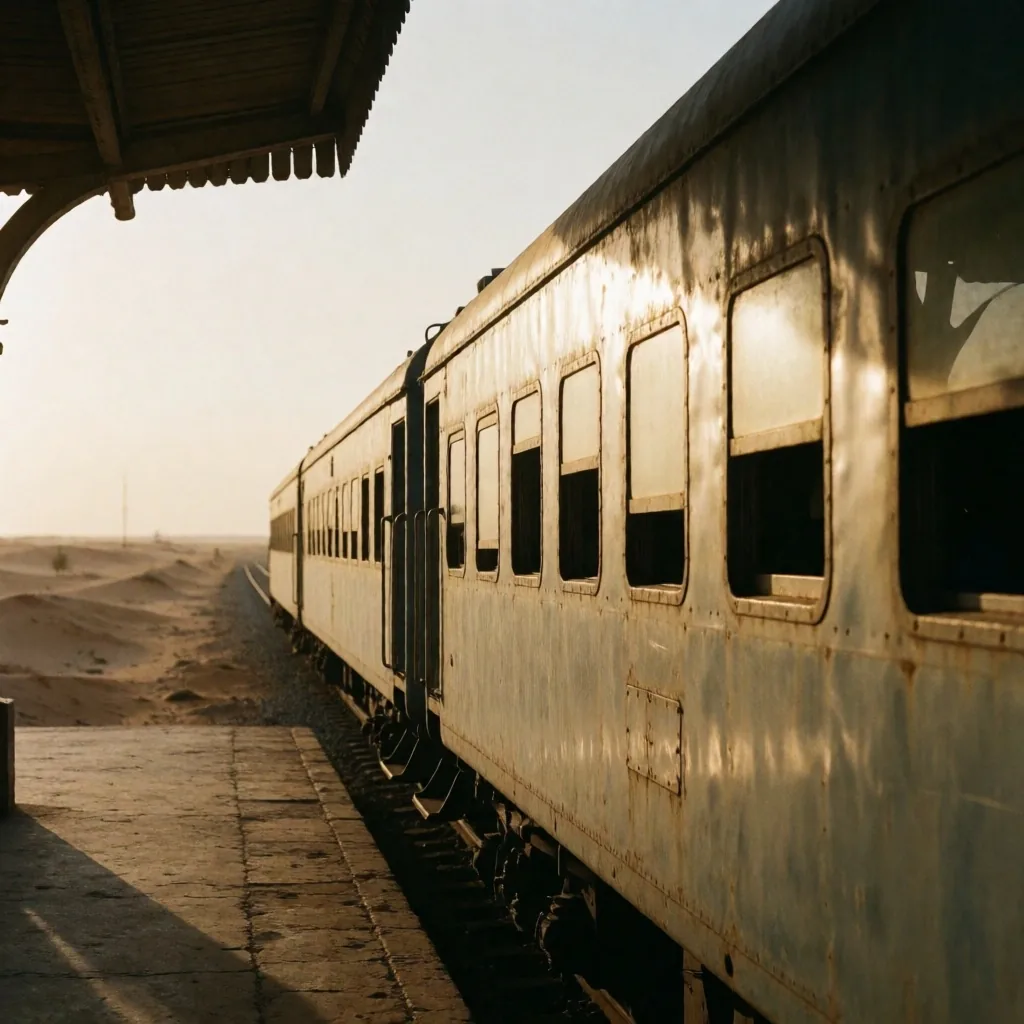
05 — Transportation Options
How do people typically move between distant cities?
The railway system is an efficient way to travel along the Nile valley, while long-distance buses cover most other routes. For shorter distances within cities, local taxis and ride-sharing applications are common.
Domestic flights are also available for moving quickly between the north and the far south. Our travel guides cover each of these options in greater detail so you can choose what fits your pace.
06 — Health & Preparation
Are there specific health precautions I should take?
While no specific vaccinations are universally required, it is wise to be up-to-date on standard shots like Hepatitis A and Typhoid. Consulting a travel health specialist before your departure is recommended.
Bringing your own supply of any prescription medications is also important, as specific brands may not be available locally. Carry a copy of your prescription and keep medications in their original labeled packaging for easy identification.
Quick Reference
A short checklist before you go
These egypt travelling guides are built for independent explorers. Below is a condensed summary of the essentials covered in the questions above — a fast scan for the morning of your departure.
Documents
Valid passport with six months remaining, entry permit if required, printed and digital copies stored separately.
Timing
November to February for the desert, shoulder seasons for the coast, early mornings if traveling in summer.
Connectivity
Local SIM card for cities and coast, offline maps for remote desert and mountain stretches.
Cash
Local currency for markets and transport, withdraw before remote areas, keep smaller notes on hand.
Transport
Rail for the Nile valley, buses for most other routes, ride-sharing within cities, flights for long north–south jumps.
Health
Standard vaccinations current, prescription medications in original packaging, consult a travel health specialist.
Still curious
Questions beyond this page
Our travel guides cover regional context, cultural etiquette, and preparation detail in greater depth. If something here doesn't answer what you need, reach out or explore the related resources.