
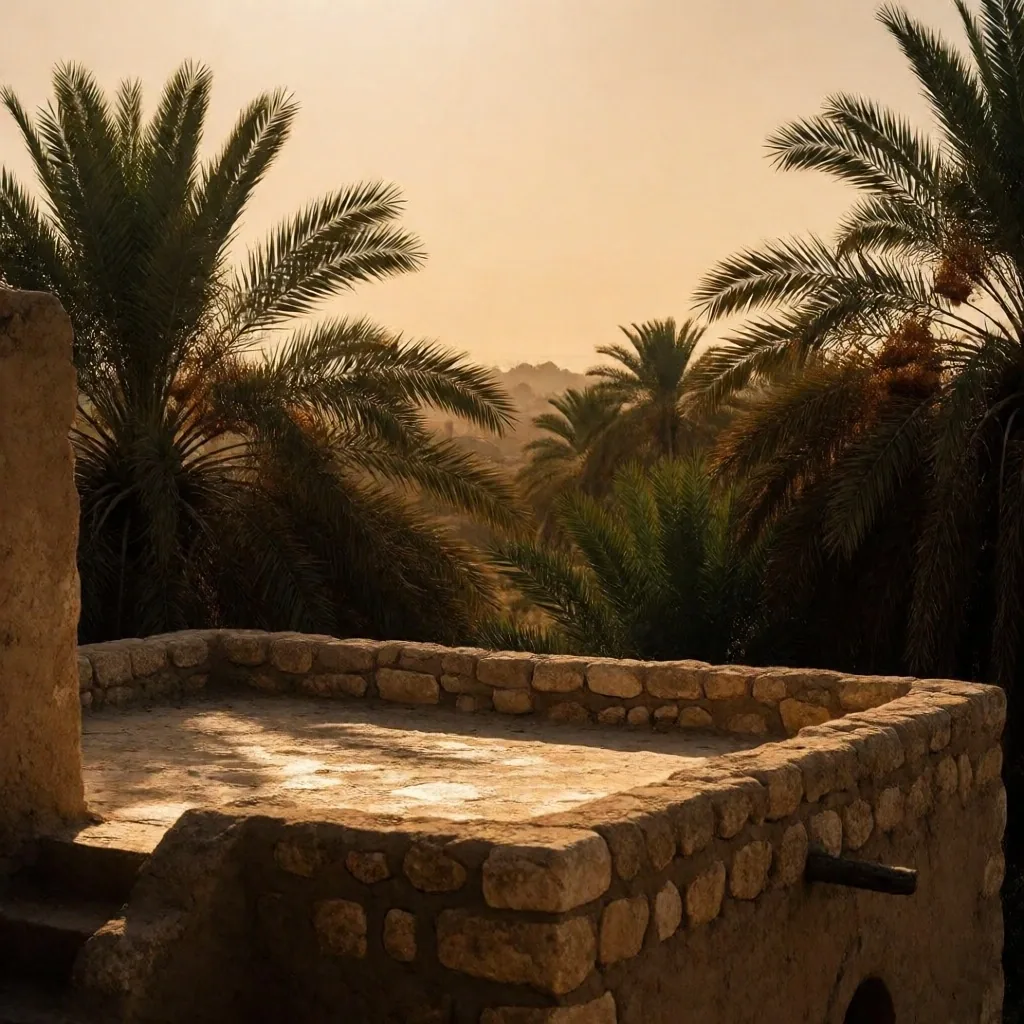
Egypt Travelling Guides · Chapter 04
Cultural Etiquette and Social Norms
Respectful interaction is the foundation of any positive experience for a traveller into Egypt. The local society is built on a deep tradition of hospitality, but it also adheres to specific codes of conduct that may differ from those in the West. These travel guides provide a roadmap for navigating social situations with grace and awareness.
Reading Guide
Eight areas of daily social life, each with the context behind the norm. Skim the headings, then return to the sections that apply to your itinerary.
- → Hospitality and tea
- → Dress and public spaces
- → Conversation pace
- → Photography consent
- → Dining customs
- → Religious timing
- → Tipping practice
- → Gender dynamics
01
The Concept of Hospitality
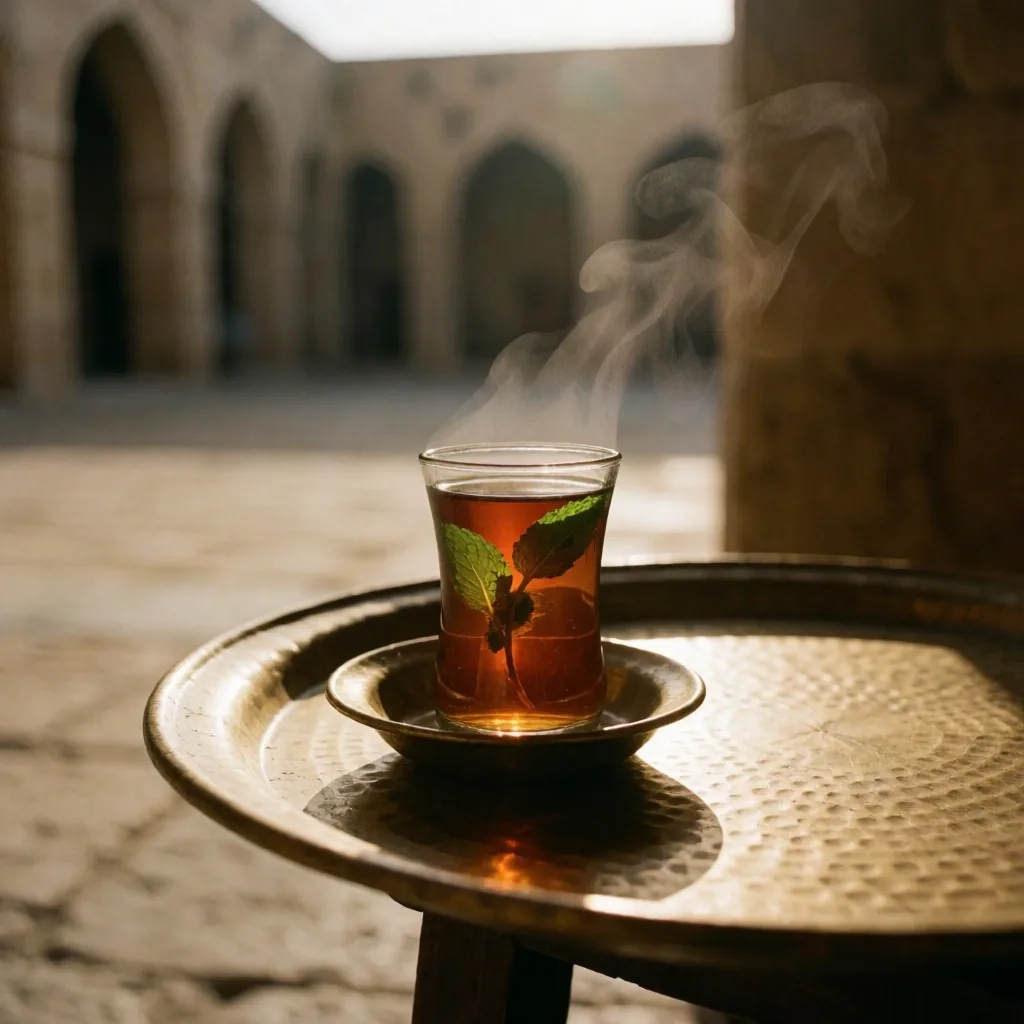
Guests are often treated with a level of generosity that can be surprising to newcomers. Accepting a tea or a small gesture of welcome is a standard way to establish rapport. However, it is equally important to offer gratitude and understand the boundaries of such hospitality to ensure a balanced interaction.
If a host offers food or drink, declining too quickly can read as dismissal rather than politeness. A short pause, a warm acknowledgment, and acceptance of even a small portion signals that you value the gesture. The same principle applies to invitations: if someone extends courtesy, returning a genuine thank-you matters more than the specifics of what was offered.
02
Dress Codes in Public Spaces
While coastal resorts may be more relaxed, the general rule across the country is modesty. For both men and women, covering the torso and legs is expected in most public settings, especially when visiting religious sites or rural villages. This simple act of alignment shows that the traveller into Egypt respects local sensitivities.
Lightweight linen or cotton clothing in light colors works well in the heat while keeping shoulders and knees covered. A scarf is useful — it can be draped over the shoulders when entering a place of worship and doubles as sun protection during long walks. Swimwear is appropriate at resort pools and beach areas, but not in town streets or markets.
Quick Reference
- · Resorts: relaxed, swimwear acceptable at pools and beaches
- · Towns and markets: shoulders and knees covered
- · Religious sites: long sleeves, long trousers or skirts, scarf for head or shoulders
- · Rural areas: follow the most covered option you see locals wearing
03 · Communication
Communication Styles
Conversations are often more circular and social than in direct Western cultures. Taking the time for small talk — asking about well-being or the weather — is an essential precursor to any practical discussion. Patience is a key virtue when navigating logistics or seeking information.
Rushing straight to a request can feel abrupt. A few moments of greeting and inquiry cost nothing and often produce more helpful responses. If someone launches into a longer exchange than you expected, listening through it is the polite path — interruption reads as dismissal.
Volume matters too. Speaking softly, even when frustrated or in a hurry, keeps interactions calm and respectful. Raised voices attract attention and can make a situation harder to resolve.
When language is a barrier, gestures, patience, and a willingness to wait for someone who can translate go further than repetition at higher volume. Many people in tourist-adjacent areas speak several languages, but assuming so before asking is poor form.

04
Photography and Privacy
Always ask for permission before taking photos of individuals or their private property. Some people may prefer not to be photographed, and respecting this choice is crucial for maintaining a positive relationship with the community. Additionally, be aware that certain government or infrastructure sites may have restrictions on photography.
A simple gesture toward your camera with raised eyebrows is usually understood. A head shake means no — accept it and move on without argument. Children should be treated with extra caution: ask a parent or guardian first, and avoid photographing minors without clear consent.
What to Watch For
Signs prohibiting photography at infrastructure sites, uniformed personnel who may decline, and indoor religious spaces where flash is unwelcome. When in doubt, put the camera down and ask.
05 · Dining
Dining and Food Sharing
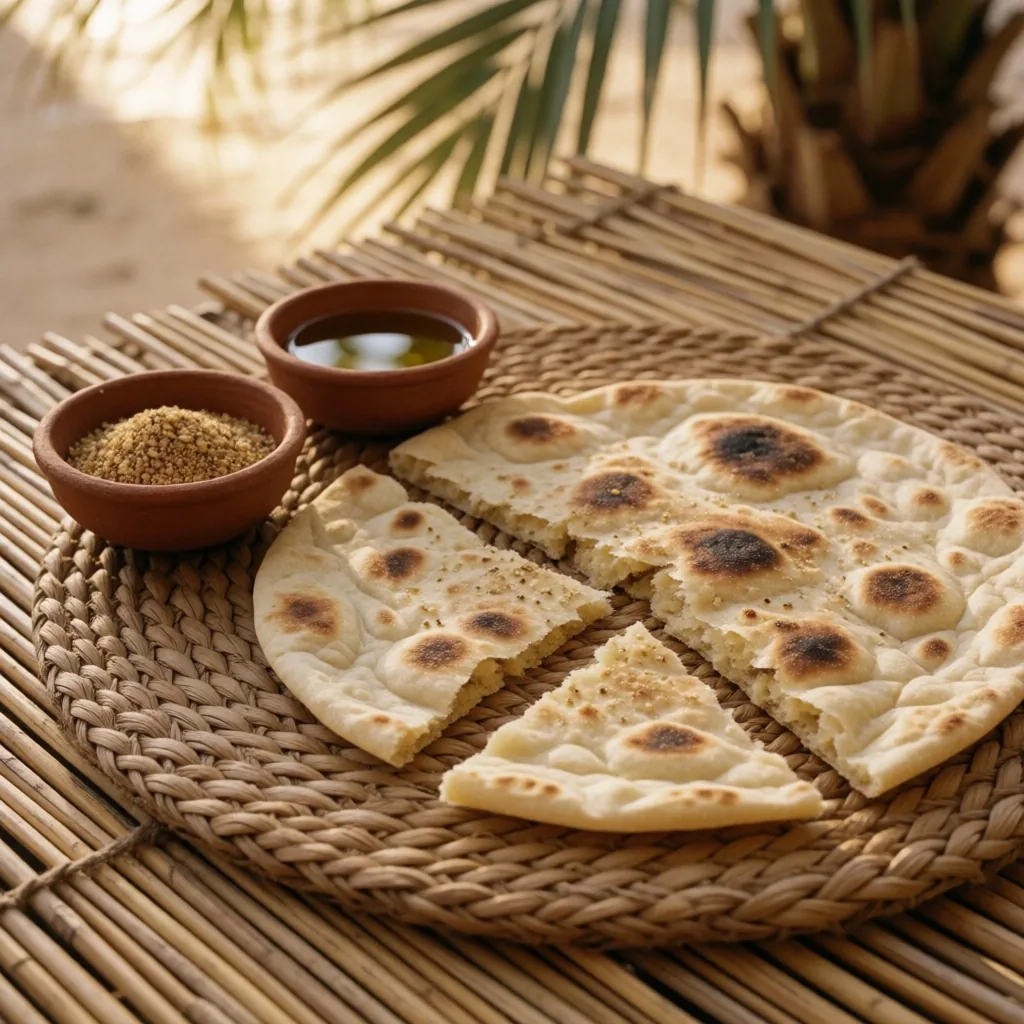
Sharing food is a common social activity, and it is polite to accept at least a small portion when offered. Using the right hand for eating and passing items is a traditional practice that remains relevant in many households. Understanding these small gestures can make a big difference in how you are perceived by your hosts.
If you are invited to a shared plate, eat from the section nearest to you rather than reaching across. Complimenting the food is welcomed and expected — a simple expression of enjoyment goes a long way. Leaving a tiny amount on the plate signals that you have had enough; an entirely clean plate can suggest you were not given sufficient food.
Alcohol is not typical in most homes. If you are offered a drink, it will usually be tea, juice, or water. Accepting what is offered is the polite path; requesting something different can read as ungrateful.
06
Religious Observance and Timing
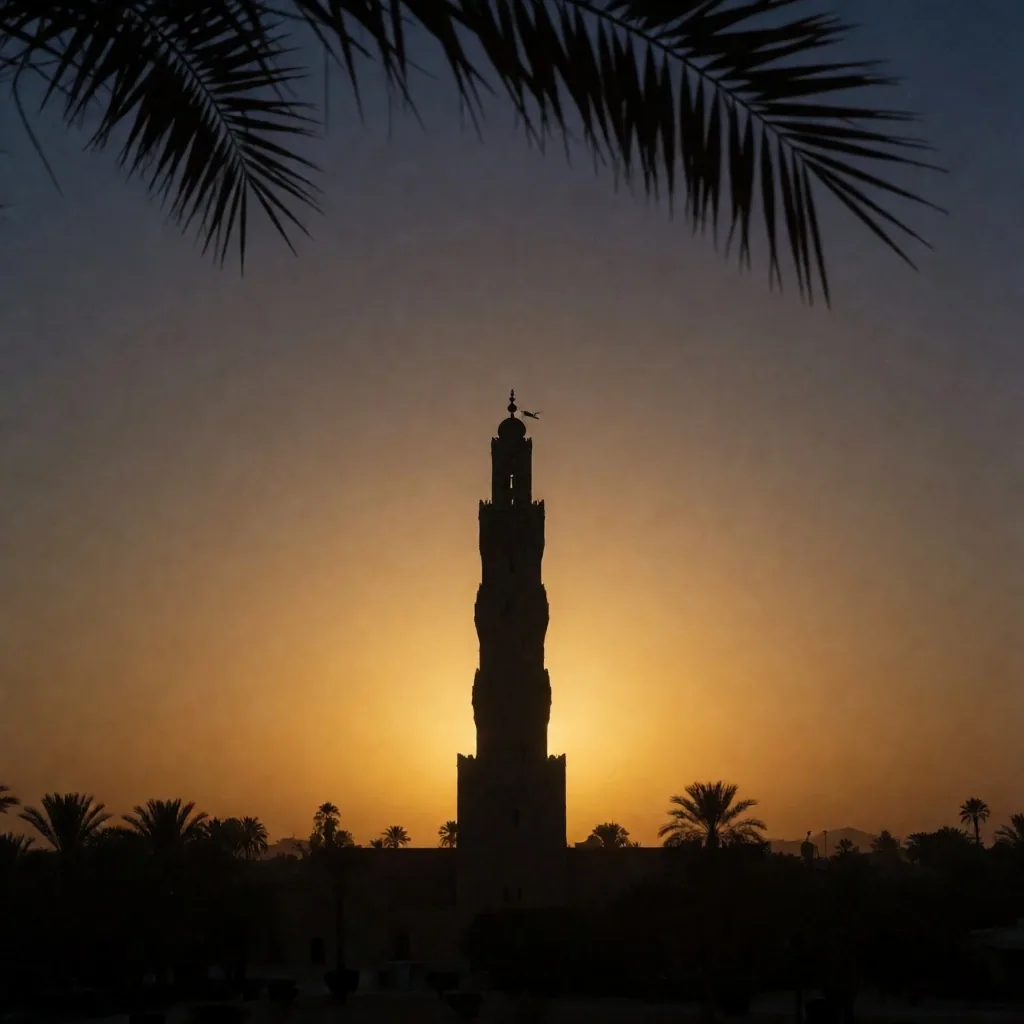
The rhythm of the day is often dictated by the five daily prayers, which may affect the opening hours of local shops and services. During the holy month of Ramadan, the pace of life changes significantly, with fasting during the day and celebrations at night. Being aware of these cycles allows the traveller into Egypt to plan accordingly.
Shops may close briefly during prayer times and reopen shortly after. This is not a disruption — it is the normal cadence. Planning errands with a buffer for these pauses prevents frustration.
During Ramadan, eating and drinking in public during daylight hours is uncommon. Carrying a water bottle discreetly and stepping aside for a quick sip is generally fine, but sharing a meal after sunset, if invited, is one of the warmest experiences a visitor can have.
07
Tipping and Gratuity
A small gratuity, often referred to as baksheesh, is a standard part of the social economy for minor services. It is not a bribe, but rather a recognized way of acknowledging assistance or service. Carrying small change makes these interactions smoother and more natural.
The amount is modest — enough to say thank you for someone pointing you in the right direction, carrying a bag, or providing a small courtesy. Large notes create awkwardness; keep coins and small bills separate and accessible. If a service charge is already noted on a bill, an additional small amount is still appreciated by the individual who served you.
08
Gender Dynamics in Public
Social interactions between different genders can be more formal than in other regions. Being observant of how locals interact with each other provides the best cue for your own behavior. Maintaining a level of professional distance in unfamiliar settings is often the most respectful approach.
Physical contact such as handshakes may not be initiated by women in more traditional areas; wait for the other person to extend a hand first. If they do not, a nod or hand to the chest is a warm alternative. In group settings, directing conversation through the most senior person present is a safe default. When in doubt, mirror the formality level you observe around you.

Continue Reading
Where to go from here
These egypt travelling guides cover the social framework. For practical preparation — what to carry, how to manage your health on the road, and what to expect from daily conditions — the next pages offer the operational side of the same journey.