
A Guide to Geographic Zones
The land is divided into several distinct ecological and cultural zones, each offering a different experience for a traveller into Egypt. From the Mediterranean influence of the north to the rugged mountains of the east, understanding these boundaries is essential for a well-rounded itinerary. These travel guides break down the regions into manageable insights for better planning.
- — Mediterranean Fringe
- — Nile Valley Heartlands
- — Eastern Desert & Red Sea
- — Western Oases
- — Sinai Peninsula
- — Great Sand Sea
- — Southern Borders
- — Urban Hubs
Comparing Climate and Terrain Across Zones
A quick-reference breakdown of how conditions shift from one part of the country to the next. Use this as a starting framework for matching your preparation to the ground you plan to cover.
| Zone | Climate Feel | Dominant Terrain | What to Expect |
|---|---|---|---|
| Mediterranean Fringe | Mild, humid, breezy | Coastal lowlands | Sea gateway air, blended architecture |
| Nile Valley Heartlands | Warm, fertile, still | Flat green corridor | Dense river life and agriculture |
| Eastern Desert & Red Sea | Hot, dry, high contrast | Granite mountains, sea | Quiet peaks above active coast |
| Western Oases | Dry, cool at night | Spring-fed depressions | Deep quiet, ancient palm groves |
| Sinai Peninsula | Variable by altitude | Shorelines and jagged peaks | Continental bridge, rugged trails |
| Great Sand Sea | Extreme, uninhabited | Vast dune expanse | Needs specialized navigation |
| Southern Borders | Hottest, driest | Rock formations, valley | Distinct African cultural threads |
| Urban Hubs | Warm, dense, active | Cityscapes | Traffic, transport, high social density |
The Mediterranean Fringe
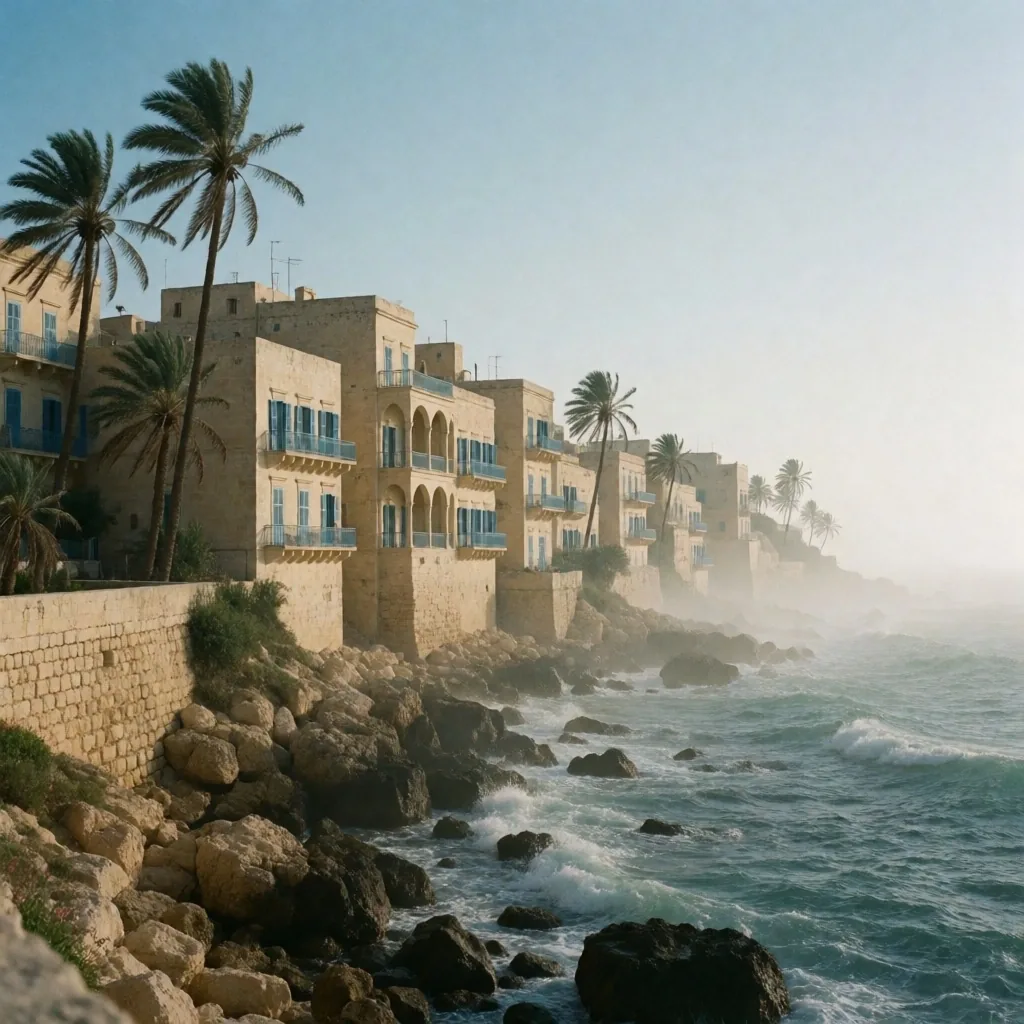
The northern coast is characterized by a milder climate and a historical connection to the broader Mediterranean basin. The air is more humid here, and the architecture often reflects a blend of local and southern European styles.
This region serves as a gateway for those arriving by sea and offers a unique, breeze-filled atmosphere. The humidity softens the light and the pace of life feels calmer than in the interior. Stone buildings with shuttered windows and shaded courtyards line the waterfront, a direct response to the sea wind that defines daily rhythms.
For a traveller into Egypt accustomed to desert heat, the coastal air can feel surprisingly gentle. Mornings are often misty, and the afternoon sun is tempered by onshore winds that pick up reliably by midday.
The Nile Valley Heartlands
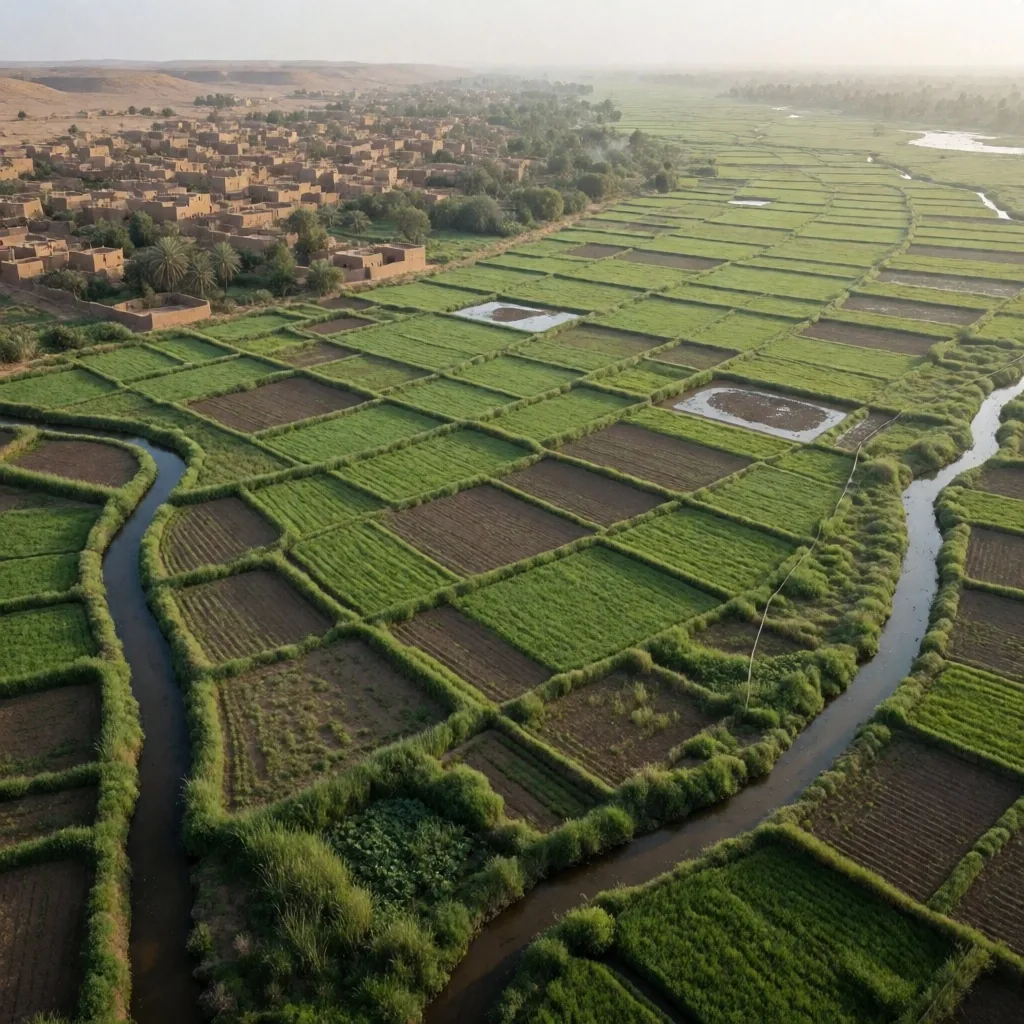
Stretching from the delta down to the southern borders, the valley is the most densely populated and greenest part of the country. This is where the egypt travelling guides focus on the intersection of river life and traditional agriculture.
The terrain is flat, lush, and provides a stark contrast to the surrounding deserts. A ribbon of green cuts through hundreds of kilometers of arid land, and the shift from sand to soil happens within a few hundred meters of the waterline.
Expect warm, still air and high agricultural activity. The valley floor traps heat in summer, and the humidity from the river adds weight to the atmosphere. Fields of sugarcane, wheat, and vegetables line the banks, and small ferries cross the water at regular intervals.
The Eastern Desert and Red Sea
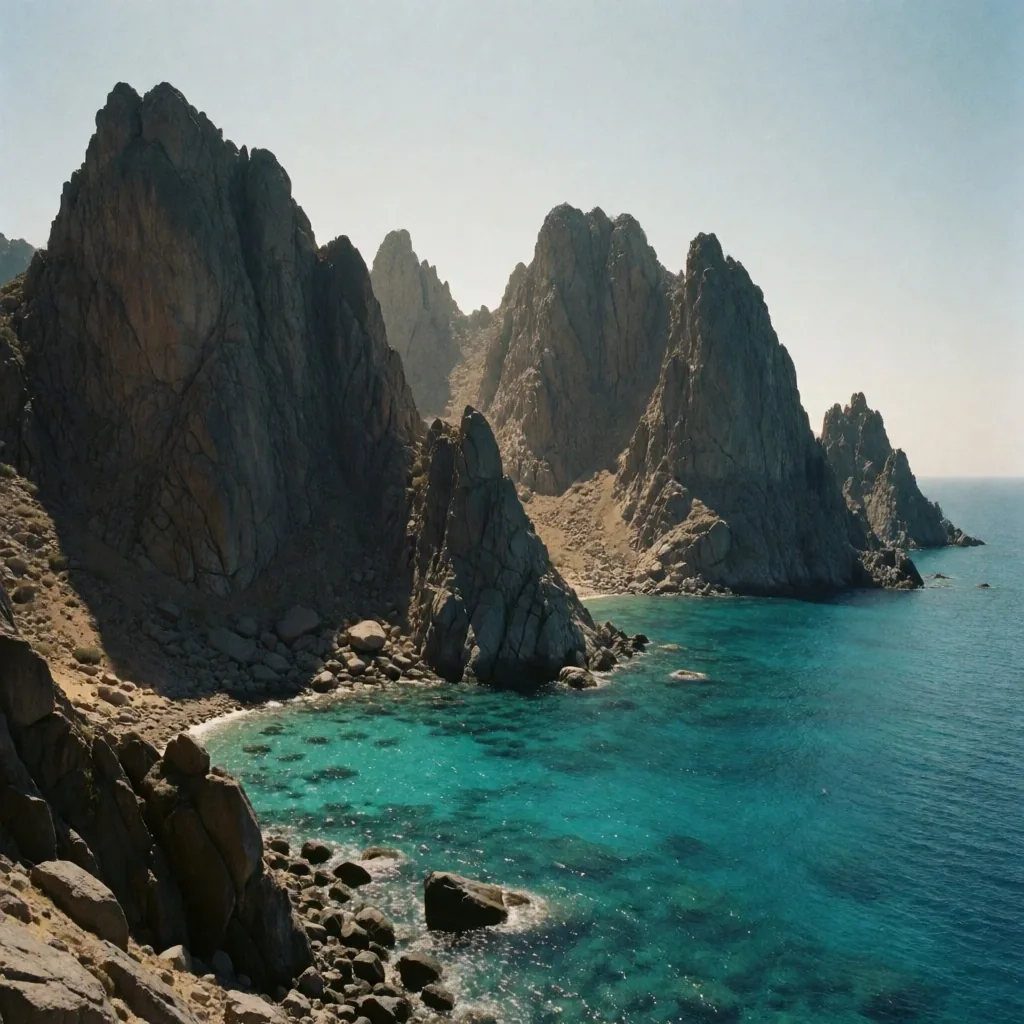
This zone is defined by high mountains and a coastline famous for its vibrant marine ecosystems. The granite peaks of the eastern range provide a dramatic backdrop to the blue waters of the sea. It is a region of high contrast, where the silence of the mountains meets the activity of the coastal towns.
The mountains block the prevailing winds, creating a rain-shadow effect that keeps the coast dry even when humidity from the sea is high. Temperatures can swing sharply between the sun-exposed rock faces and the shaded wadis that cut through the range.
A traveller into Egypt who spends time here should prepare for both intense sun exposure on open ground and surprisingly cool air in the mountain valleys after dusk.
The Western Oases
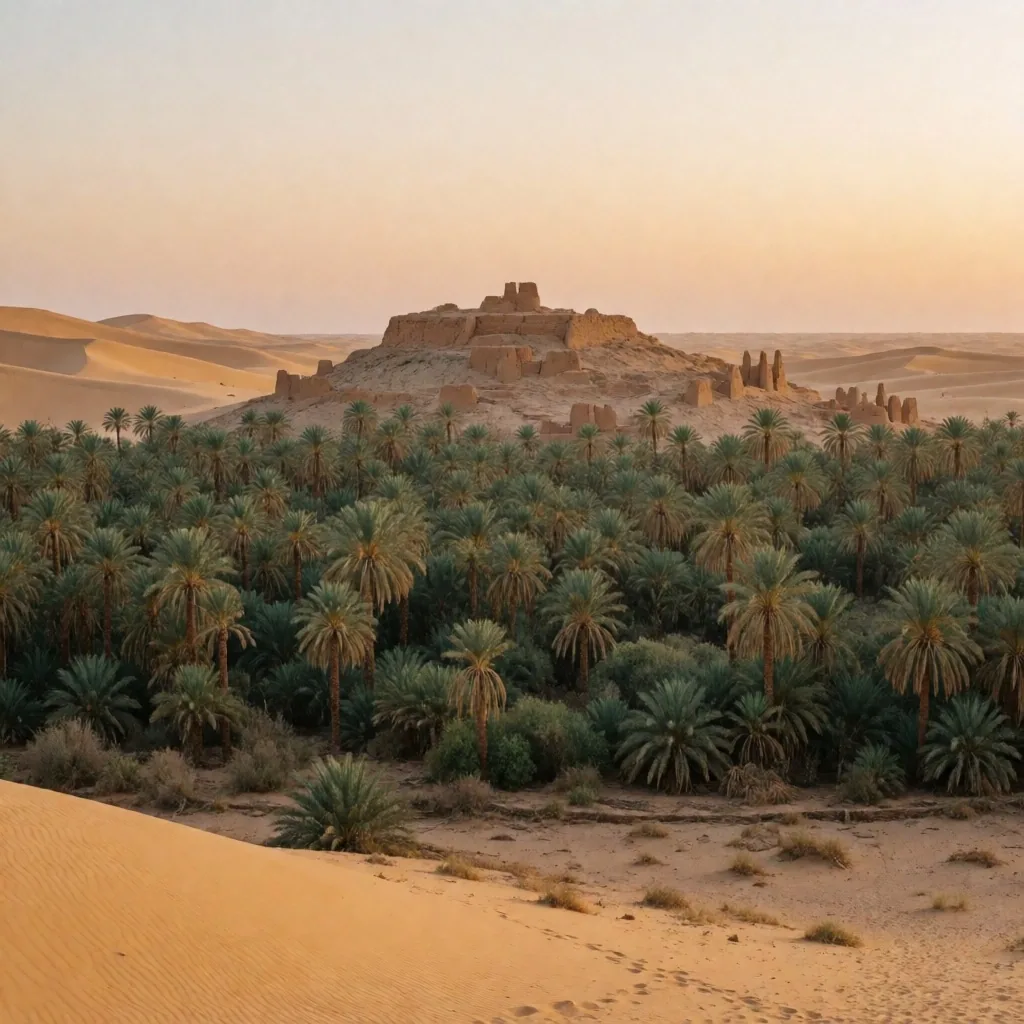
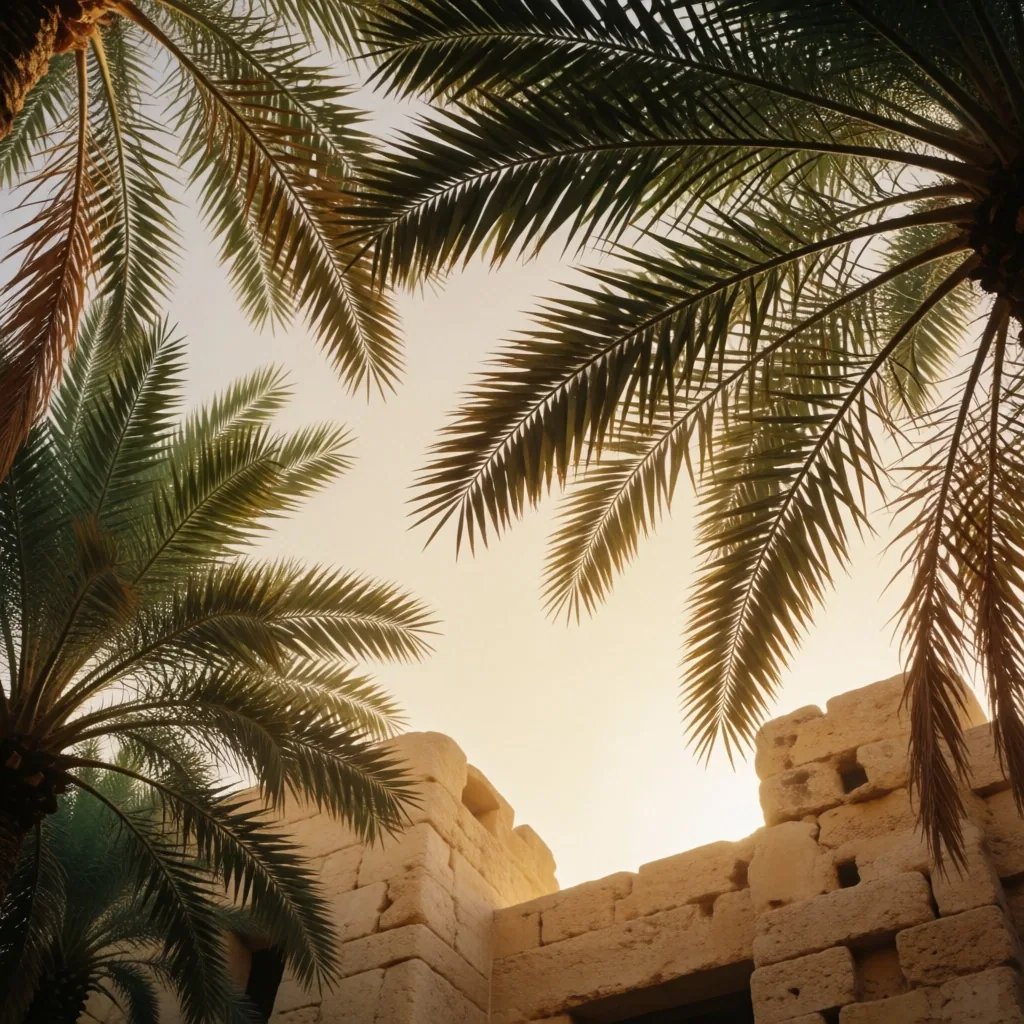
Scattered throughout the vast western desert are pockets of green known as oases. These areas are fed by underground springs and have developed unique micro-cultures over thousands of years. For the traveller into Egypt looking for deep quiet and ancient palm groves, these remote outposts are invaluable.
The air here is dry and thin. Daytime temperatures can climb steeply, but the lack of humidity means the heat does not cling to the skin the way it does along the coast. Nights drop sharply, sometimes by 15 degrees or more, and the silence is a physical presence.
Each oasis has its own water source, agricultural rhythm, and social fabric. The palm groves are not decorative — they are working landscapes that have sustained communities for generations, and the shade they cast is the primary shelter from the midday sun.
The Sinai Peninsula
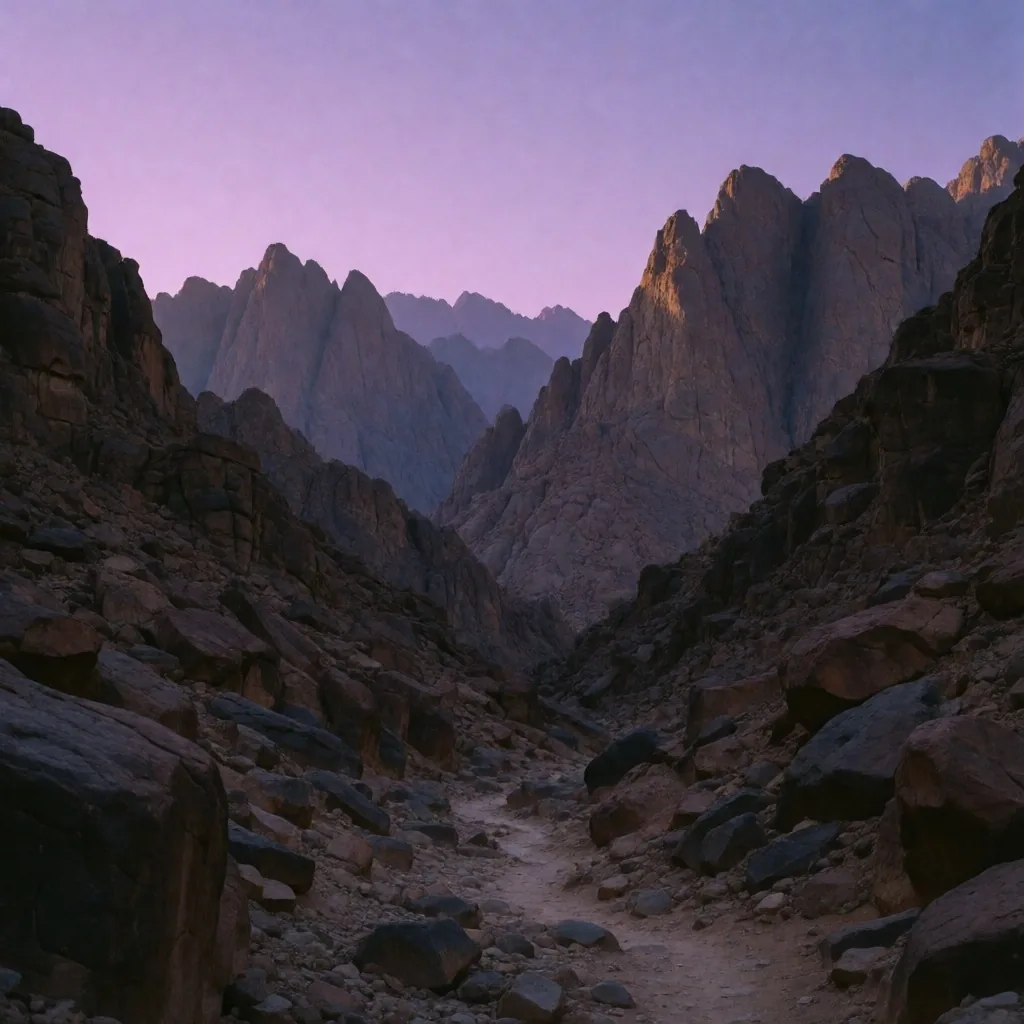
The bridge between two continents, the Sinai offers a mix of sandy shorelines and jagged interior mountains. The southern tip is known for its clear waters, while the central heights are home to historic paths and rugged trails. The climate here can vary wildly between the coast and the high-altitude interior.
Coastal temperatures are moderated by the sea, but the mountain interior follows its own rules. At higher elevations, nighttime temperatures can drop below comfortable levels even when the coast remains warm. Wind is a constant factor — the channels between peaks funnel air with surprising force.
- — Layered clothing for coast vs. altitude swings
- — Wind protection for mountain channels
- — Extra water for exposed trail sections
- — Sun coverage for both sand and rock terrain
- — Awareness of rapid temperature drops after sunset
These egypt travelling guides focus on environmental conditions, not logistics. Route planning belongs in dedicated preparation materials.
The Great Sand Sea
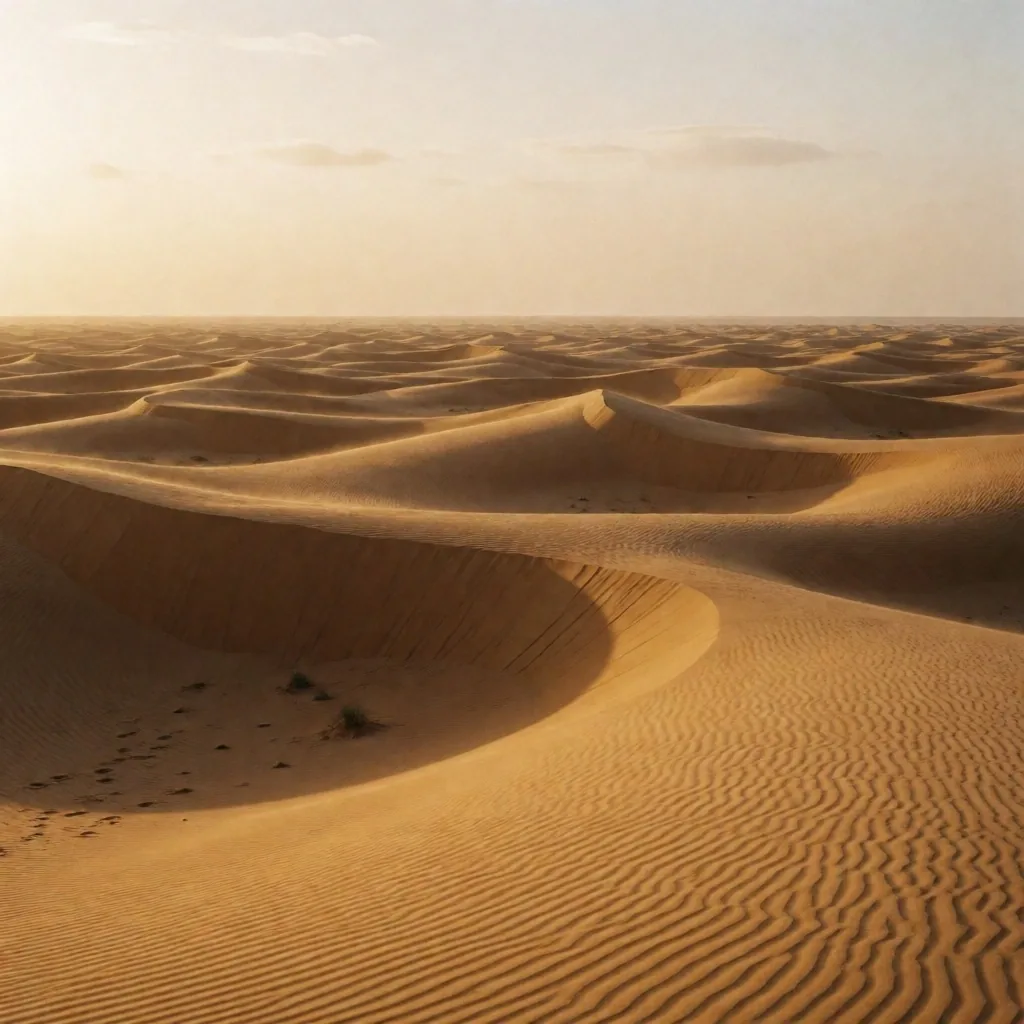
To the far west lies an expanse of dunes that represents the quintessential desert landscape. This area is largely uninhabited and requires specialized knowledge to navigate safely. The scale of the sand formations here is a humbling sight that illustrates the power of natural erosion and wind.
The dunes can rise over a hundred meters and stretch in parallel ridges for hundreds of kilometers. There is no shelter, no water source, and no margin for error. The wind reshapes the surface daily, meaning landmarks shift and paths are not fixed.
This is not a zone for casual exploration. Any traveller into Egypt considering this area should connect with experienced local guides and treat preparation as the single most important factor in safety.
The Southern Borders
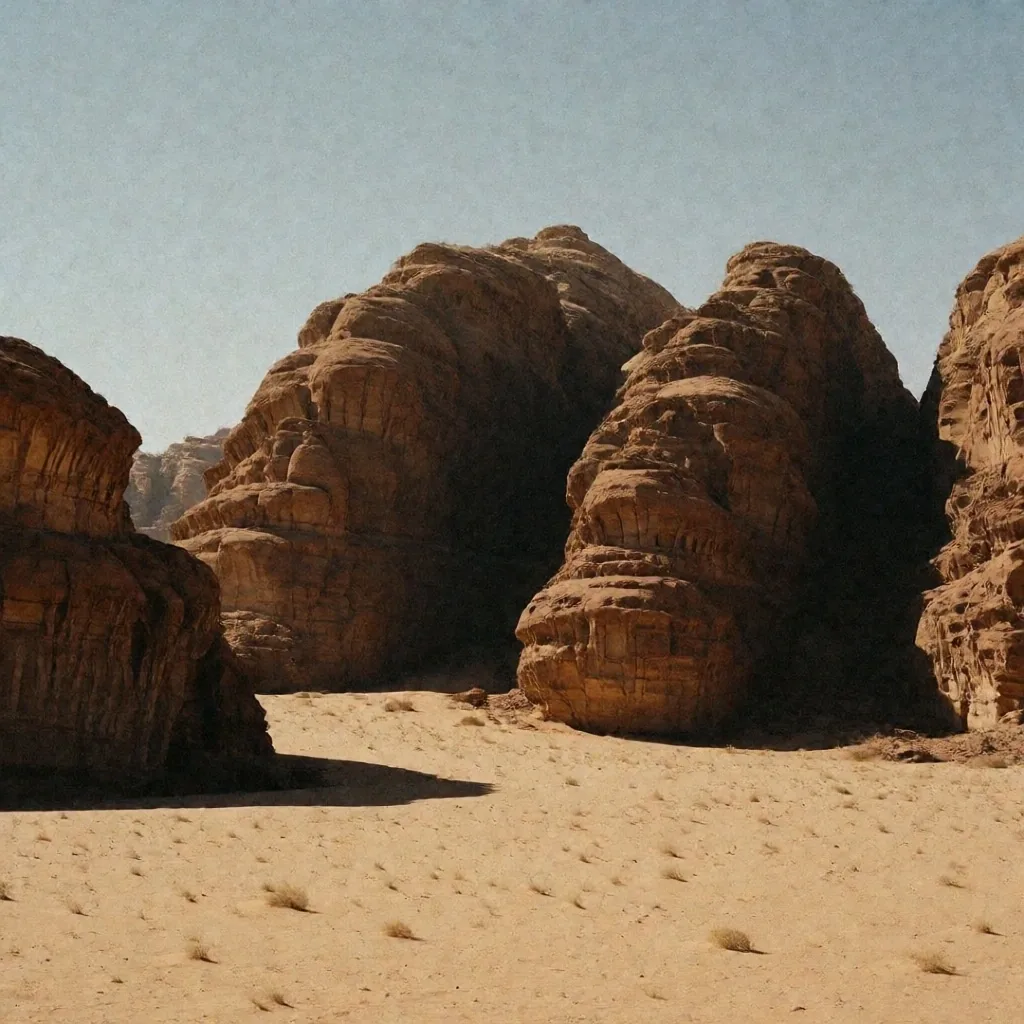
As you move toward the south, the climate becomes significantly hotter and drier. The culture here is distinct, with influences from the wider African continent becoming more apparent in the music, food, and language. This region is home to some of the most impressive natural rock formations in the valley.
The landscape shifts from the green corridor of the valley into harder, drier terrain. Sandstone cliffs rise directly from the riverbank in places, their faces carved by wind into shapes that change color through the day — pale gold at noon, deep amber toward evening.
The heat here is dry and relentless. Sun protection is not optional. The local pace of life adapts around it, with activity concentrated in the early morning and late afternoon, and a long pause through the middle of the day when shade becomes the most valuable resource available.
Urban Hubs and Metropolises
The major cities are hubs of activity where the ancient and the modern collide. Navigating these spaces requires a different set of skills, focusing on traffic flow, public transport, and the high density of social interaction. They are the centers of gravity for the country's economic and political life.
The urban environment has its own microclimate. Concrete and asphalt absorb heat through the day and release it slowly at night, keeping temperatures elevated after dark. Air quality can vary, and the combination of vehicle traffic and dust requires some adjustment for visitors sensitive to either.
Pedestrian movement in dense districts calls for alertness. Crosswalks, intersections, and bridge crossings each have their own rhythm, and reading the flow of people and vehicles is a practical skill that develops over the first few days.
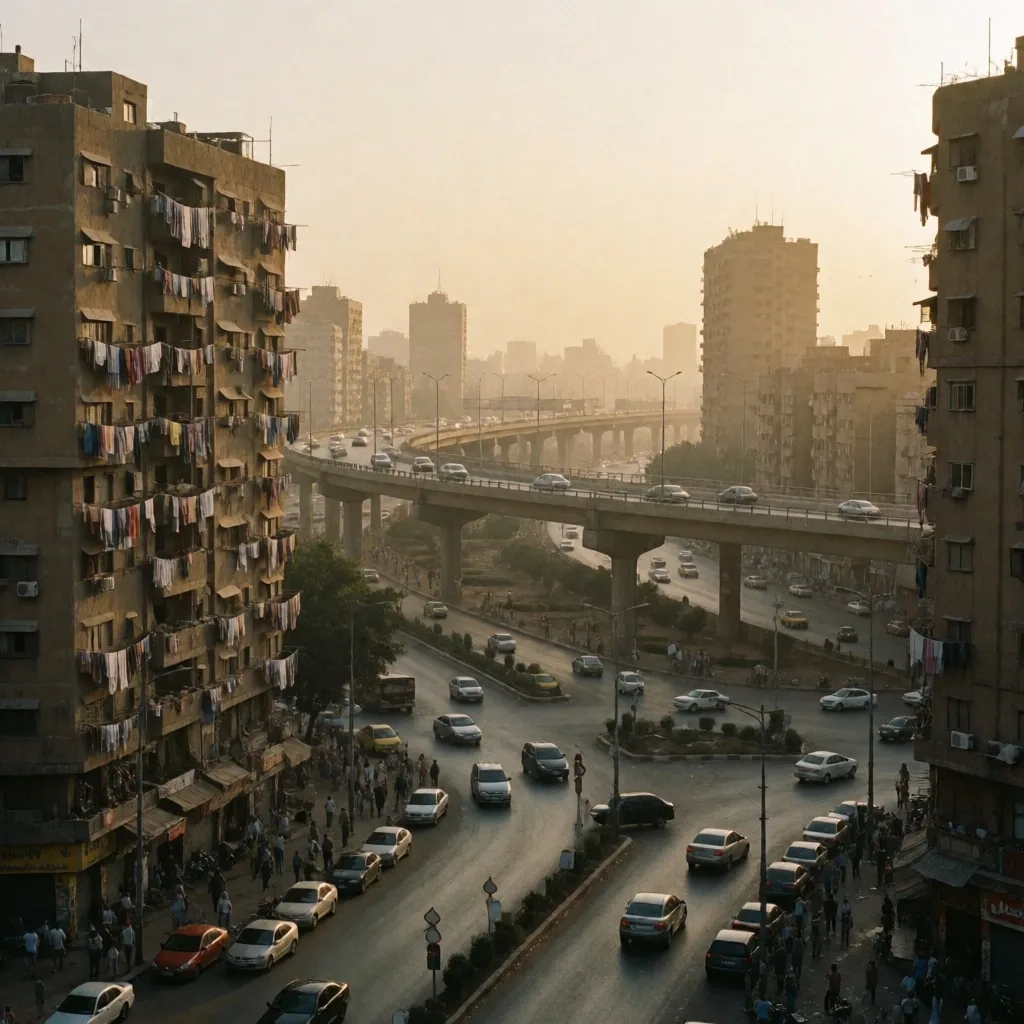
Intersections and crossings operate on flow rather than fixed signals. Observe local movement before stepping into traffic.
City centers retain heat after sunset. Plan indoor or shaded rest during peak afternoon hours.
How to Read the Zones
These egypt travelling guides are organized by physical reality, not by itinerary. Each zone has its own climate logic, terrain demands, and cultural rhythm. A traveller into Egypt covering multiple regions should expect to adjust clothing, pace, and daily schedule with each transition.
The coastal north and the southern interior can differ by 15 degrees or more on the same day. The oases and the valley share heat but not humidity. The Sinai and the Sand Sea both demand respect for exposure, but for completely different reasons — one for altitude and wind, the other for sheer scale and isolation.
Match your clothing and sun protection to the specific zone, not a national average. The differences between regions are large enough to matter.
Desert and mountain zones require water, shade strategy, and honest assessment of fitness. The Sand Sea and southern heights are not casual terrain.
Local rhythms follow the heat. Early morning and late afternoon are active periods. Midday is for shade, food, and rest — this is practical, not lazy.
Prepare for the Zone You Plan to Cover
These travel guides map the ground. The next step is matching your gear, schedule, and expectations to the conditions described above. Start with the preparation checklist, or review common questions from other travellers into Egypt.
Need a specific detail about a zone mentioned here? Reach out directly — these guides are maintained and updated regularly.
Contact Information →